12
RADIO NAV — CHAPTER 12 · NOTES
Ground Radar
by Ghost Aviator
Ghost Aviator
www.ghostaviator.com
Ghost Aviator
www.ghostaviator.com
Ghost Aviator
DGCA CPL / ATPL Study Notes • Radio Navigation • Ch 12
✈ Chapter 12: Ground Radar
ATC Radar Systems
📋 Contents
1. Introduction 2. Area Surveillance Radar (ASR) 3. Terminal Surveillance Radar (TAR) 4. Aerodrome Surveillance Approach Radar 5. Airport Surface Movement Radar (ASMI) 6. Characteristics Summary 7. Practice Questions (4 Q)1. Introduction
ATC uses ground radars extensively to serve a large number of requirements. Both primary and secondary radar techniques are used. Primary radar detects all aircraft (including those without transponders) and may incorporate Moving Target Indication (MTI).
📡 ATC Ground Radar Systems
- Area Surveillance Radar (ASR) — long range en-route
- Terminal Area Surveillance Radar (TAR) — medium range TMA
- Aerodrome Surveillance Approach Radar — short range approach
- Precision Approach Radar (PAR) — talk-down
- Airport Surface Movement Radar (ASMR/ASMI) — surface movement
2. Area Surveillance Radar (ASR)
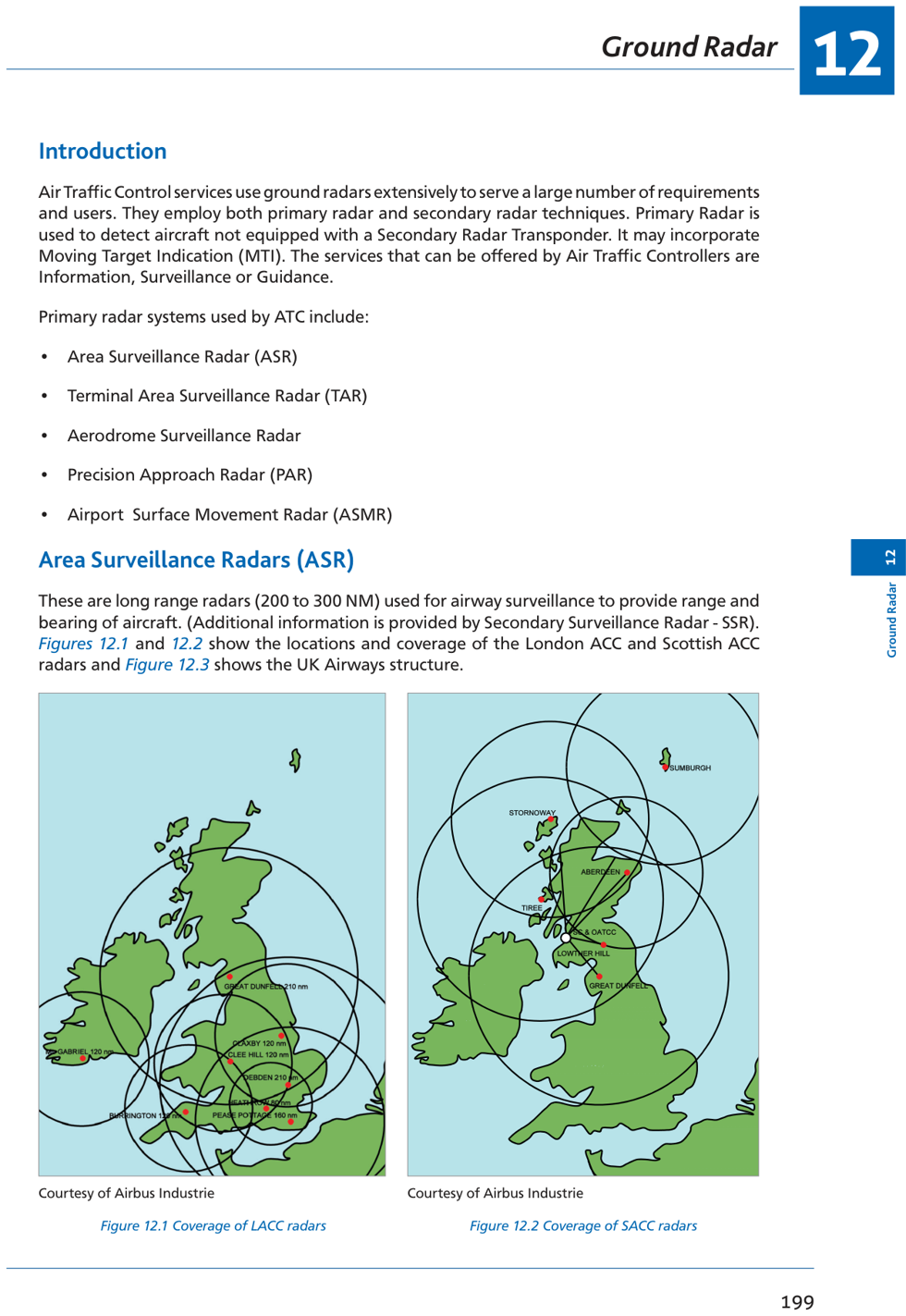
Fig 12.1 & 12.2: Coverage of London ACC and Scottish ACC radars
📡 ASR Characteristics
Longer pulse length ensures good target illumination at long range. Low PRF ensures echo returns from max range before next pulse.
| Parameter | Value |
|---|---|
| Range | 200–300 NM |
| Wavelength | 10–50 cm |
| Pulse length | 2–4 µs |
| PRF | 300–400 pps |
| Scan rate | 5–6 rpm |
| Purpose | Airway surveillance — range and bearing of aircraft |
3. Terminal Surveillance Area Radar (TAR)
📡 TAR Characteristics
| Parameter | Value |
|---|---|
| Range | Up to 75 NM |
| Wavelength | 10, 23 or 50 cm |
| Pulse width | 1–3 µs |
| Purpose | Traffic control in TMAs |
| UK radar separation | 3 NM within 40 NM (or 60 NM approved) of radar head, below FL245 |
4. Aerodrome Surveillance Approach Radar
📡 Aerodrome Radar Characteristics
| Parameter | Value |
|---|---|
| Range | Up to 25 NM |
| Wavelength | 3 cm or 10 cm |
| Pulse width | 0.5–1 µs |
| Services provided | Radar vectoring to ILS; Surveillance Radar Approach (SRA); positional information/control in vicinity |
5. Airport Surface Movement Radar (ASMI)
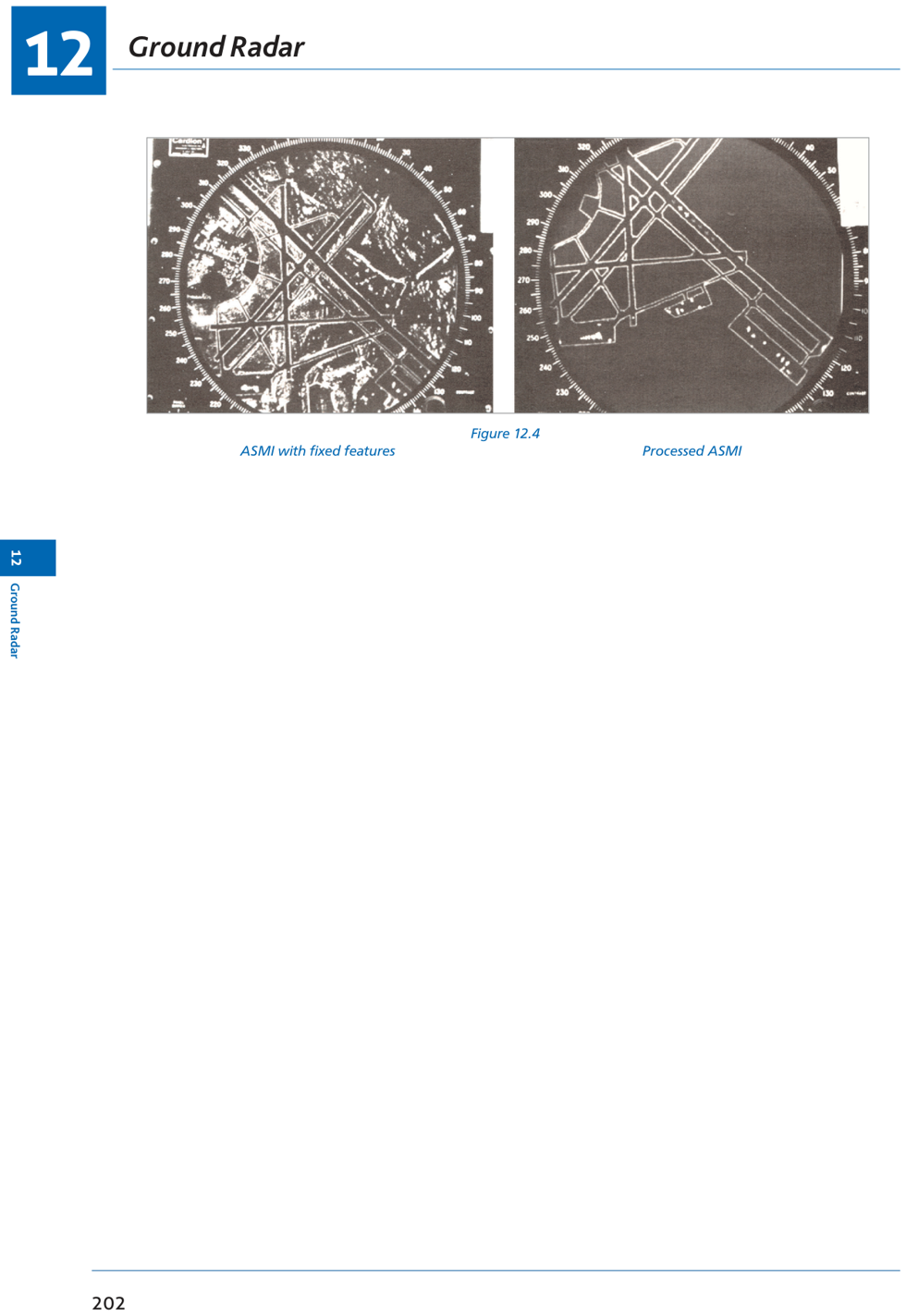
Fig 12.4: ASMI display — with and without fixed features processed out
⚠ ASMI Key Design Parameters
| Parameter | Value |
|---|---|
| Frequency | 15–17 GHz (SHF) |
| Wavelength | 1.76–2 cm |
| Beamwidth | 0.2°–1° (very narrow) |
| Scan rate | 60 rpm |
| PRF | 4,000–20,000 pps |
| Pulse width | 0.03 µs |
| Range | 2.5–6 NM in light precipitation |
| Purpose | Detailed display of aircraft/vehicles on runways and taxiways in all weather |
⚡ ASMI Limitations
- High frequency (SHF) → increasingly attenuated by precipitation → range reduces in heavy rain
- EHF band NOT suitable for ASMI — too much attenuation in most precipitation types
- Processing can remove selected fixed features (buildings, taxiways) leaving only moving targets visible
6. Radar Characteristics Summary
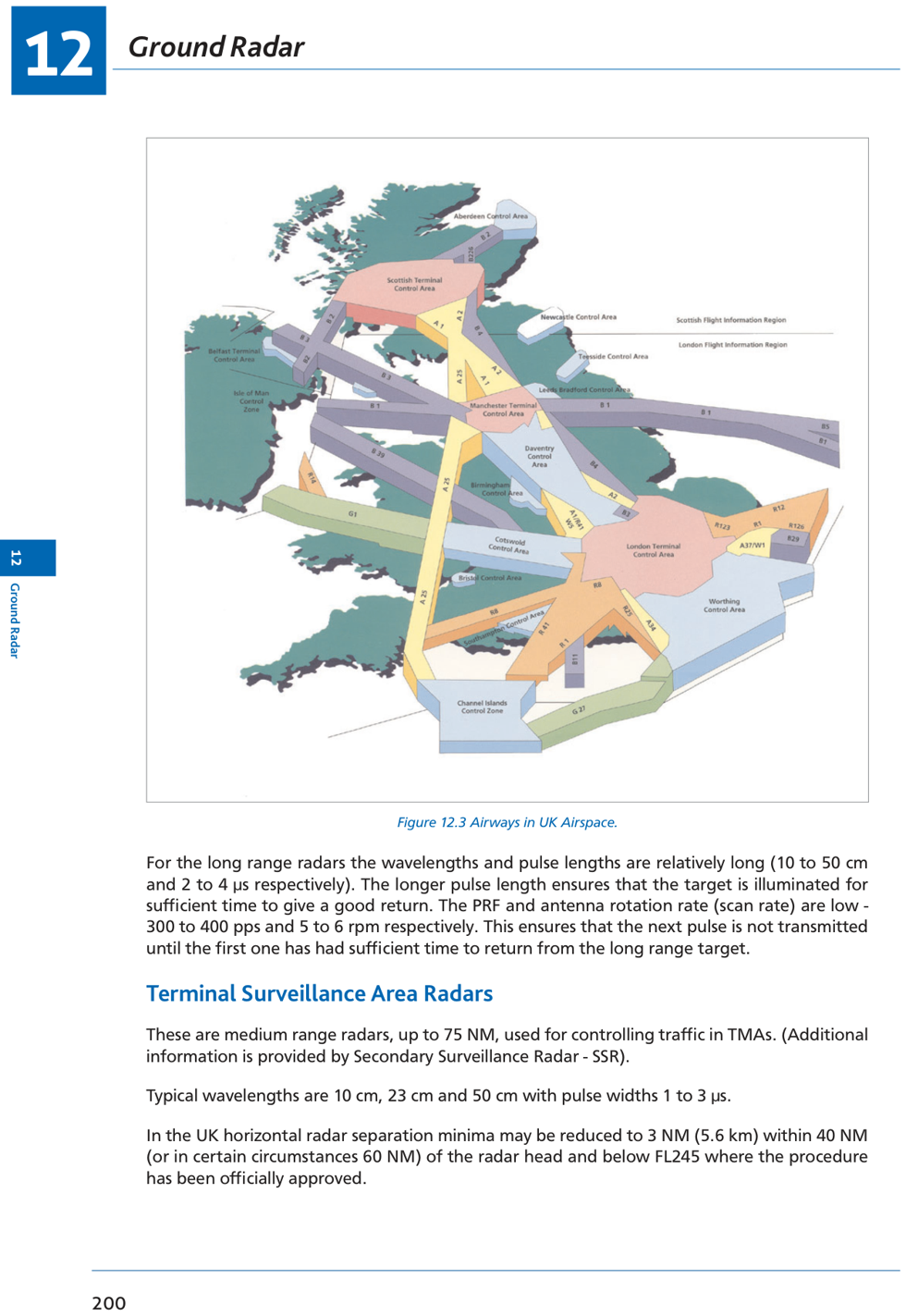
Fig 12.3: UK airways structure — served by ground radars
| System | Range | Wavelength | PW | PRF | Scan Rate |
|---|---|---|---|---|---|
| ASR | 200–300 NM | 10–50 cm | 2–4 µs | 300–400 pps | 5–6 rpm |
| TAR | Up to 75 NM | 10, 23, 50 cm | 1–3 µs | Medium | Medium |
| Aerodrome | Up to 25 NM | 3 or 10 cm | 0.5–1 µs | Higher | Higher |
| ASMI | 2.5–6 NM | 1.76–2 cm | 0.03 µs | 4,000–20,000 pps | 60 rpm |
7. Practice Questions
Q1. A primary radar has a PRF of 275 pps. Time interval between leading edges of successive pulses:
(a) 3.64 milliseconds
(b) 36.4 milliseconds
(c) 3.64 microseconds
(d) 36.4 microseconds
Answer: (a)
PRI = 1/275 s = 1,000,000/275 µs = 3636 µs = 3.64 milliseconds.
PRI = 1/275 s = 1,000,000/275 µs = 3636 µs = 3.64 milliseconds.
Q2. Primary radar PRF = 450 pps. Maximum range (ignoring PW and flyback):
(a) 333 NM
(b) 180 NM
(c) 666 NM
(d) 360 NM
Answer: (b)
Max range = 81,000/450 = 180 NM.
Max range = 81,000/450 = 180 NM.
Q3. Frequency band and scan rate of Airfield Surface Movement radars:
(a) SHF; 60 rpm
(b) SHF; 200 rpm
(c) EHF; 100 rpm
(d) EHF; 10 rpm
Answer: (a)
ASMI operates in the SHF band (15–17 GHz) at a scan rate of 60 rpm.
ASMI operates in the SHF band (15–17 GHz) at a scan rate of 60 rpm.
Q4. Radar with scanner rotation 60 rpm, beamwidth ~0.5°, PRF 10,000 pps. This is:
(a) ASMI with theoretical range 8 NM
(b) Precision Approach Radar
(c) ASMI with theoretical range 16 NM
(d) High resolution Surveillance Approach Radar
Answer: (a)
All characteristics (60 rpm, narrow beam, high PRF, short PW) match an ASMI. Max range = 81,000/10,000 = 8.1 NM ≈ 8 NM.
All characteristics (60 rpm, narrow beam, high PRF, short PW) match an ASMI. Max range = 81,000/10,000 = 8.1 NM ≈ 8 NM.
DGCA CPL/ATPL Radio Navigation Study Notes
Chapter 12 — Ground Radar
Ghost Aviator | www.ghostaviator.com
For personal study use only.
Chapter 12 — Ground Radar
Ghost Aviator | www.ghostaviator.com
For personal study use only.
Study Radio Nav with other student pilots
Join the free Radio Nav group on Telegram. Stuck on a doubt? Type /q and your question, and get an answer from Ghost Aviator's notes.
LIVE BATCH
Study Radio Navigation live with the Captain
Small batch of 10 · live doubt-clearing · 4–6 weeks · ₹12,999 ₹7,999
Reinforce Chapter 12: Ground Radar
Test your knowledge and practice actual exam questions for Radio Navigation.
Planning your Pilot Training in 2026?
Calculate exact flying hours, DGCA exam fees, and living costs with our interactive calculator.